CRM Software: The Real Estate Agent’s Secret Weapon for Success
In the fast-paced and competitive world of real estate, success hinges on building strong relationships, managing leads effectively, and staying organized. Real estate agents juggle a multitude of tasks, from prospecting and showing properties to negotiating deals and managing paperwork. In this environment, Customer Relationship Management (CRM) software has become an indispensable tool for agents looking to streamline operations, enhance client experiences, and ultimately, close more deals.
What is CRM Software and Why Does it Matter in Real Estate?
At its core, CRM software is a centralized system designed to manage and analyze interactions with customers and prospects throughout the customer lifecycle. For real estate professionals, this means managing leads, tracking client interactions, organizing property information, and automating marketing efforts, all in one place.
Here’s why CRM software is so critical for real estate agents:
- Enhanced Lead Management: CRMs enable agents to capture leads from various sources (website, referrals, online portals) and automatically organize them into a centralized database. This ensures that no lead falls through the cracks.
- Improved Client Relationships: By providing a comprehensive view of each client’s preferences, history, and communication, CRMs empower agents to deliver personalized and relevant interactions, fostering stronger relationships.
- Streamlined Communication: CRMs facilitate seamless communication with clients through email, SMS, and even social media, ensuring timely and consistent engagement.
- Increased Efficiency: Automating repetitive tasks like follow-up emails, appointment scheduling, and document management frees up agents’ time to focus on higher-value activities, such as building relationships and closing deals.
- Data-Driven Insights: CRMs provide valuable data and analytics on lead sources, conversion rates, and sales performance, enabling agents to make informed decisions and optimize their strategies.
Key Features of CRM Software for Real Estate
Not all CRM software is created equal. Real estate agents should look for solutions that offer features specifically tailored to their unique needs. Here are some essential features to consider:
- Contact Management: A robust contact management system is the foundation of any good real estate CRM. It should allow you to store detailed information about clients, including contact details, preferences, property interests, and communication history.
- Lead Capture and Distribution: The CRM should be able to capture leads from various sources, such as website forms, online portals, and social media. It should also have the capability to automatically distribute leads to the appropriate agents or teams.
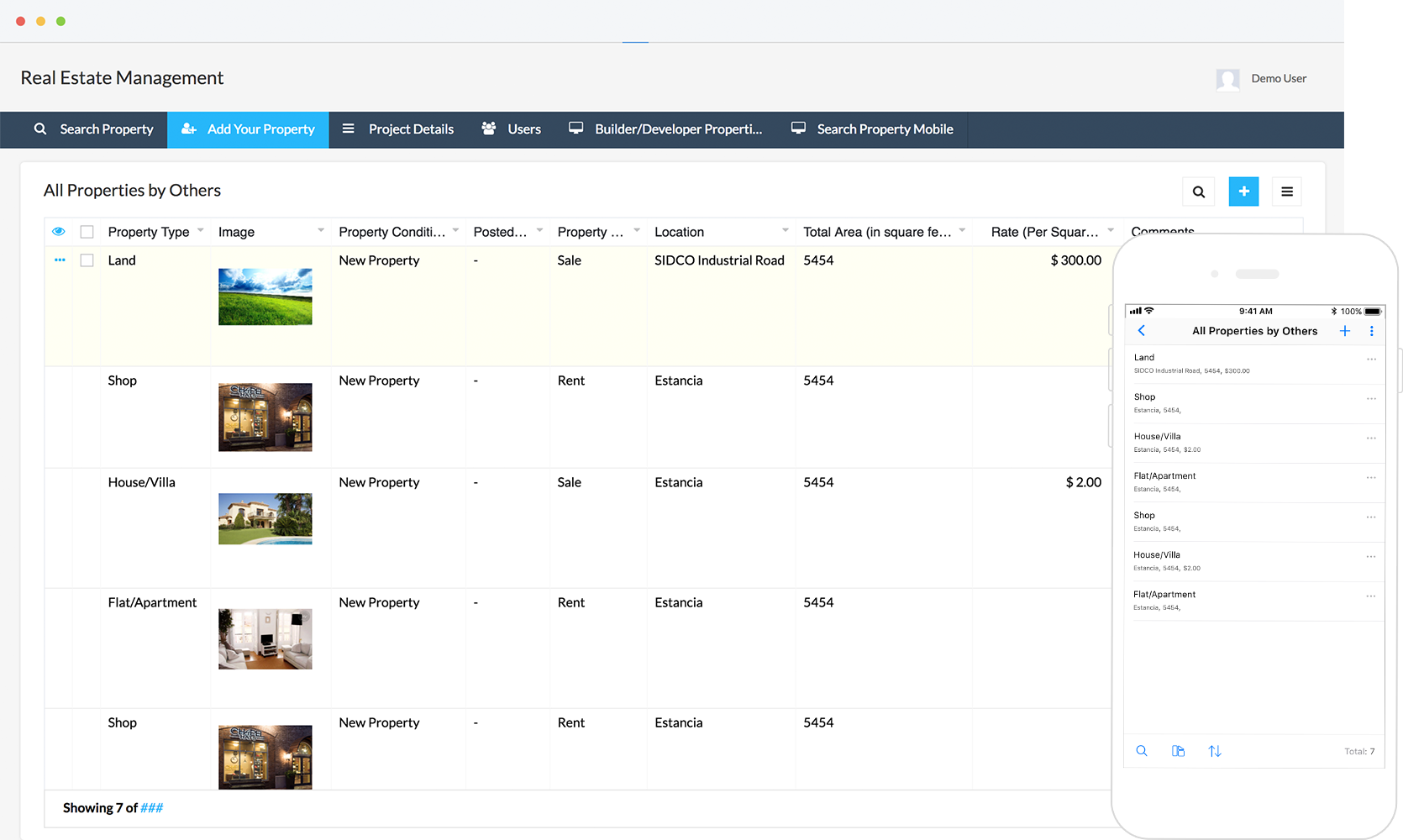
- Property Management: This feature allows agents to store and organize information about properties, including photos, descriptions, pricing, and availability. It should also enable agents to easily match properties to client preferences.
- Email Marketing: Integrated email marketing tools enable agents to create and send targeted email campaigns to nurture leads, promote listings, and stay top-of-mind with clients.
- Task Management: Task management features help agents stay organized and on track by allowing them to create and assign tasks, set deadlines, and track progress.
- Appointment Scheduling: CRM software often includes appointment scheduling tools that allow clients to easily book showings and meetings online, streamlining the scheduling process.
- Document Management: A document management system allows agents to securely store and organize important documents, such as contracts, disclosures, and marketing materials.
- Reporting and Analytics: Real estate CRMs should provide robust reporting and analytics capabilities that allow agents to track key metrics, such as lead conversion rates, sales performance, and marketing ROI.
- Mobile Access: In today’s mobile-first world, it’s essential that real estate CRM software is accessible on mobile devices, allowing agents to manage their business on the go.
- Integration with Other Tools: The CRM should integrate seamlessly with other tools that real estate agents use, such as email marketing platforms, social media management tools, and accounting software.
Top CRM Software Options for Real Estate Agents
Several CRM software options are available for real estate agents, each with its own strengths and weaknesses. Here are some of the top contenders:
- HubSpot CRM: A popular choice for its free version and comprehensive marketing automation features.
- Salesforce Sales Cloud: A powerful and customizable CRM that’s well-suited for larger real estate teams.
- Zoho CRM: An affordable and versatile CRM with a wide range of features and integrations.
- Pipedrive: A sales-focused CRM that’s designed to help agents close more deals.
- Real Geeks: A CRM specifically designed for real estate agents, with features like lead generation and website integration.
- Follow Up Boss: Another real estate-specific CRM, known for its lead nurturing and automation capabilities.
- Wise Agent: A comprehensive CRM solution for real estate professionals, offering lead management, marketing automation, and transaction management features.
- LionDesk: A popular CRM for real estate agents, known for its lead generation, automation, and communication tools.
Choosing the Right CRM for Your Needs
Selecting the right CRM software is a critical decision that can significantly impact your success as a real estate agent. Here are some factors to consider when evaluating different options:
- Your Specific Needs: What are your biggest challenges as a real estate agent? Do you need help with lead generation, client communication, or task management? Identify your specific needs and look for a CRM that addresses them.
- Your Budget: CRM software can range in price from free to hundreds of dollars per month. Determine your budget and look for a solution that fits within your financial constraints.
- Ease of Use: The CRM should be easy to use and navigate, even for those who are not tech-savvy. Look for a solution with a user-friendly interface and comprehensive training resources.
- Scalability: As your business grows, your CRM needs will likely evolve. Choose a CRM that can scale with your business and accommodate your changing needs.
- Integration Capabilities: Ensure that the CRM integrates seamlessly with other tools that you use, such as email marketing platforms, social media management tools, and accounting software.
- Customer Support: Look for a CRM provider that offers excellent customer support, including online documentation, tutorials, and responsive support staff.
- Reviews and Testimonials: Read reviews and testimonials from other real estate agents to get a sense of their experience with different CRM software options.
Tips for Implementing CRM Software Successfully
Once you’ve chosen a CRM, it’s important to implement it effectively to maximize its benefits. Here are some tips for a successful implementation:
- Define Your Goals: Clearly define your goals for using CRM software. What do you hope to achieve? Increased leads? Improved client relationships? Streamlined operations?
- Train Your Team: Ensure that all members of your team are properly trained on how to use the CRM software. Provide ongoing training and support to help them get the most out of the system.
- Customize the CRM: Customize the CRM to fit your specific needs and workflows. This may involve creating custom fields, setting up automated workflows, and configuring integrations.
- Clean Your Data: Before importing your data into the CRM, clean it up to ensure accuracy and consistency. Remove duplicates, correct errors, and standardize data formats.
- Monitor and Evaluate: Regularly monitor and evaluate your CRM usage to identify areas for improvement. Track key metrics, such as lead conversion rates, sales performance, and client satisfaction.
- Be Patient: Implementing CRM software is a process that takes time and effort. Be patient and persistent, and you’ll eventually reap the rewards.
Conclusion
In today’s competitive real estate market, CRM software is no longer a luxury, it’s a necessity. By providing a centralized system for managing leads, tracking client interactions, and automating marketing efforts, CRM software can help real estate agents streamline operations, enhance client experiences, and ultimately, close more deals. By carefully evaluating your needs, choosing the right CRM, and implementing it effectively, you can unlock the full potential of this powerful tool and take your real estate business to the next level.