CRM for Financial Services: Building Stronger Client Relationships and Driving Growth
In today’s fiercely competitive financial landscape, building and maintaining strong client relationships is paramount for success. Financial institutions, whether they are banks, credit unions, insurance companies, or wealth management firms, need to provide personalized experiences, anticipate client needs, and deliver seamless service across all channels. Customer Relationship Management (CRM) systems have emerged as a critical tool for achieving these goals, enabling financial service providers to centralize client data, streamline processes, and ultimately drive growth.
What is CRM for Financial Services?
At its core, CRM for financial services is a technology-driven strategy that helps financial institutions manage their interactions with current and potential clients. It involves using specialized software to collect, organize, and analyze client data, providing a comprehensive view of each client’s financial history, preferences, and needs. This unified view empowers financial advisors, relationship managers, and other client-facing employees to deliver more relevant and personalized experiences.
Key Features and Functionalities of CRM for Financial Services:
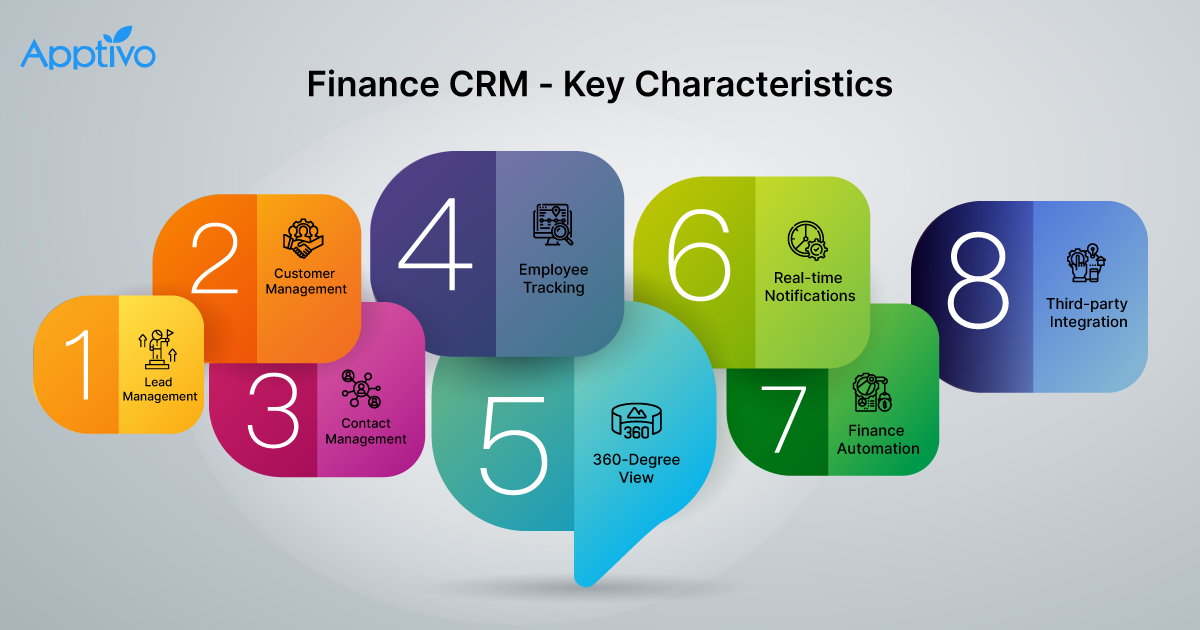
CRM systems designed for the financial services industry offer a wide array of features and functionalities tailored to the unique needs of the sector:
- Contact Management: Centralized storage of client contact information, including demographics, communication preferences, and contact history.
- Lead Management: Tracking and nurturing potential clients (leads) through the sales pipeline, from initial contact to conversion.
- Client Profiling: Creating detailed client profiles that capture financial goals, risk tolerance, investment preferences, and life events.
- Relationship Tracking: Mapping client relationships, including family members, business partners, and other relevant connections.
- Activity Management: Scheduling and tracking client interactions, such as meetings, phone calls, and emails.
- Task Management: Assigning and tracking tasks related to client service, such as account openings, loan applications, and investment reviews.
- Document Management: Securely storing and managing client documents, such as account statements, tax forms, and insurance policies.
- Compliance Management: Ensuring adherence to regulatory requirements, such as KYC (Know Your Customer) and AML (Anti-Money Laundering) regulations.
- Reporting and Analytics: Generating reports and dashboards that provide insights into client behavior, sales performance, and marketing effectiveness.
- Integration with Other Systems: Connecting with core banking systems, investment platforms, and other financial applications to provide a seamless user experience.
Benefits of CRM for Financial Services:
Implementing a CRM system can provide significant benefits for financial institutions:
- Enhanced Client Relationships: By providing a 360-degree view of each client, CRM enables financial advisors to understand their clients’ needs better and provide more personalized advice.
- Improved Client Service: CRM streamlines client service processes, allowing financial institutions to respond to client inquiries quickly and efficiently.
- Increased Sales and Revenue: By identifying and nurturing leads, CRM helps financial institutions increase sales and revenue.
- Reduced Costs: CRM automates many manual tasks, reducing administrative costs and freeing up staff to focus on more strategic activities.
- Better Compliance: CRM helps financial institutions comply with regulatory requirements by providing a centralized repository for client data and activity records.
- Data-Driven Decision Making: CRM provides insights into client behavior, sales performance, and marketing effectiveness, enabling financial institutions to make more informed decisions.
- Improved Collaboration: CRM facilitates collaboration among different departments within a financial institution, ensuring that all employees have access to the same information.
- Greater Client Retention: By providing excellent service and personalized advice, CRM helps financial institutions retain their clients.
Key Considerations When Choosing a CRM System:
When selecting a CRM system for your financial institution, consider the following factors:
- Industry-Specific Functionality: Choose a CRM system that is specifically designed for the financial services industry and includes features such as client profiling, compliance management, and integration with core banking systems.
- Scalability: Select a CRM system that can scale to meet your growing business needs.
- Ease of Use: Choose a CRM system that is easy to use and requires minimal training.
- Integration Capabilities: Ensure that the CRM system can integrate with your existing systems, such as your core banking system, investment platform, and marketing automation software.
- Security: Select a CRM system that provides robust security features to protect your clients’ sensitive data.
- Vendor Reputation: Choose a CRM vendor with a proven track record of success in the financial services industry.
- Cost: Consider the total cost of ownership, including software licenses, implementation costs, and ongoing maintenance fees.
Best Practices for Implementing CRM in Financial Services:
To ensure a successful CRM implementation, follow these best practices:
- Define Your Goals: Clearly define your goals for the CRM implementation, such as improving client retention, increasing sales, or reducing costs.
- Get Executive Support: Secure executive support for the CRM implementation to ensure that it receives the necessary resources and attention.
- Involve Key Stakeholders: Involve key stakeholders from different departments in the CRM implementation process to ensure that the system meets their needs.
- Develop a Comprehensive Training Plan: Develop a comprehensive training plan to ensure that all employees know how to use the CRM system effectively.
- Customize the System: Customize the CRM system to meet your specific business needs.
- Integrate with Other Systems: Integrate the CRM system with your other systems to provide a seamless user experience.
- Monitor and Evaluate Performance: Monitor and evaluate the performance of the CRM system regularly to ensure that it is meeting your goals.
Examples of CRM Use Cases in Financial Services:
Here are some specific examples of how CRM can be used in the financial services industry:
- Personalized Financial Advice: A financial advisor can use CRM to access a client’s financial history, goals, and risk tolerance to provide personalized investment advice.
- Proactive Client Service: A bank can use CRM to identify clients who are at risk of leaving and proactively reach out to them to address their concerns.
- Targeted Marketing Campaigns: An insurance company can use CRM to segment its client base and launch targeted marketing campaigns based on their needs and interests.
- Streamlined Loan Application Process: A credit union can use CRM to automate the loan application process, making it easier for clients to apply for loans and for the credit union to process applications.
- Improved Compliance: A wealth management firm can use CRM to track client interactions and ensure compliance with regulatory requirements.
The Future of CRM in Financial Services:
The future of CRM in financial services is bright. As technology continues to evolve, CRM systems will become even more sophisticated and powerful. Some of the trends that are shaping the future of CRM in financial services include:
- Artificial Intelligence (AI): AI is being used to automate tasks, personalize client interactions, and provide insights into client behavior.
- Cloud Computing: Cloud-based CRM systems offer greater flexibility, scalability, and cost-effectiveness.
- Mobile CRM: Mobile CRM allows financial advisors to access client data and interact with clients on the go.
- Social CRM: Social CRM enables financial institutions to monitor social media conversations and engage with clients on social channels.
Conclusion:
CRM is an essential tool for financial institutions that want to build stronger client relationships, improve client service, increase sales, and drive growth. By implementing a CRM system and following best practices, financial institutions can gain a competitive advantage and thrive in today’s challenging business environment. The key is to choose a system that meets your specific needs, implement it effectively, and use it to its full potential. As the financial services industry continues to evolve, CRM will become even more critical for success. By embracing CRM and staying ahead of the curve, financial institutions can position themselves for long-term growth and prosperity.