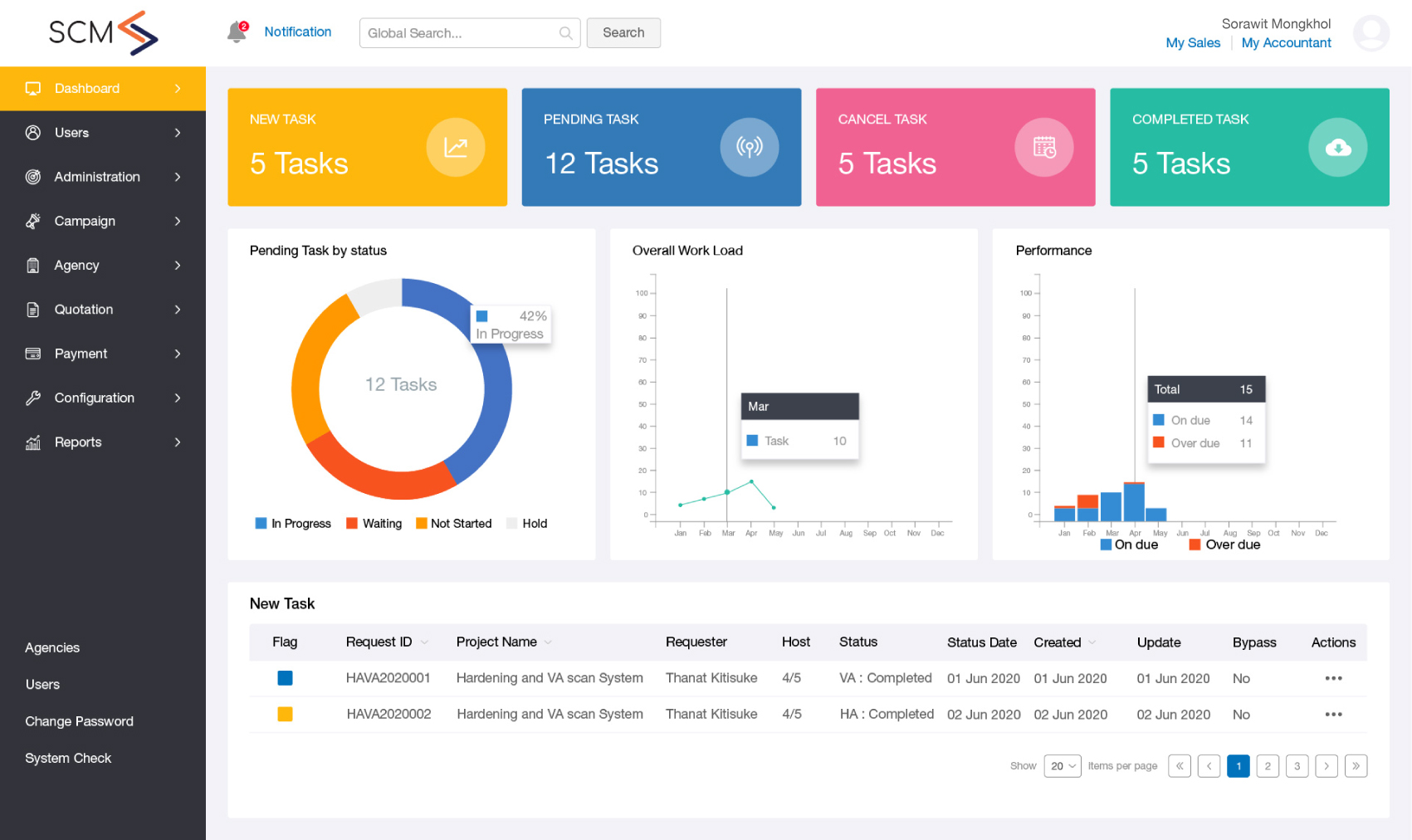
The Ultimate Guide to CRM Platforms: Boosting Business Growth and Customer Loyalty
In today’s hyper-competitive business landscape, cultivating strong customer relationships is no longer a luxury – it’s a necessity. Customer Relationship Management (CRM) platforms have emerged as indispensable tools for organizations seeking to streamline operations, enhance customer engagement, and drive sustainable growth.
This comprehensive guide will delve into the world of CRM platforms, exploring their core features, benefits, deployment options, industry-specific applications, and the factors to consider when selecting the right solution for your business.
What is a CRM Platform?
At its core, a CRM platform is a centralized system designed to manage and analyze customer interactions and data throughout the customer lifecycle. It serves as a single source of truth for all customer-related information, enabling businesses to:
- Organize and Centralize Data: Consolidate customer contact information, purchase history, communications, and other relevant data into a unified database.
- Track Customer Interactions: Record and manage all interactions with customers across various channels, including email, phone calls, social media, and in-person meetings.
- Automate Sales Processes: Streamline sales activities such as lead management, opportunity tracking, and sales forecasting.
- Enhance Customer Service: Provide customer service representatives with a 360-degree view of customer history to resolve issues efficiently and personalize support.
- Improve Marketing Effectiveness: Segment customer data, personalize marketing campaigns, and track campaign performance to maximize ROI.
- Analyze Customer Behavior: Gain insights into customer preferences, buying patterns, and feedback to inform business decisions and improve customer experiences.
Key Features of a CRM Platform
Modern CRM platforms offer a wide array of features designed to address the diverse needs of businesses across various industries. Some of the most common and essential features include:
-
Contact Management:
- Store and organize customer contact information, including names, addresses, phone numbers, email addresses, and social media profiles.
- Segment contacts based on demographics, industry, purchase history, and other criteria.
- Track customer interactions and communications, including emails, phone calls, meetings, and notes.
-
Lead Management:
- Capture and track leads from various sources, such as website forms, marketing campaigns, and sales events.
- Qualify leads based on predefined criteria and assign them to sales representatives.
- Nurture leads through targeted marketing campaigns and personalized communications.
-
Sales Force Automation:
- Automate sales processes such as lead routing, opportunity management, and sales forecasting.
- Track sales activities and performance, including sales calls, meetings, and proposals.
- Manage sales pipelines and track progress towards sales goals.
-
Customer Service Management:
- Manage customer inquiries and support requests through various channels, including email, phone, and chat.
- Track customer issues and resolutions, and escalate issues as needed.
- Provide self-service portals and knowledge bases to empower customers to resolve issues on their own.
-
Marketing Automation:
- Create and manage marketing campaigns across various channels, including email, social media, and paid advertising.
- Segment customer data and personalize marketing messages based on customer preferences and behavior.
- Track campaign performance and measure ROI.
-
Reporting and Analytics:
- Generate reports and dashboards to track key performance indicators (KPIs) and gain insights into customer behavior.
- Analyze customer data to identify trends and opportunities for improvement.
- Customize reports to meet specific business needs.
-
Integration Capabilities:
- Integrate with other business systems, such as accounting software, e-commerce platforms, and marketing automation tools.
- Share data seamlessly across different departments and functions.
- Automate data synchronization and eliminate manual data entry.
Benefits of Using a CRM Platform
Implementing a CRM platform can provide a multitude of benefits for businesses of all sizes, including:
- Improved Customer Relationships: By centralizing customer data and tracking interactions, CRM platforms enable businesses to build stronger, more personalized relationships with their customers.
- Increased Sales Productivity: Automating sales processes and providing sales representatives with access to real-time customer data can significantly increase sales productivity.
- Enhanced Customer Service: Empowering customer service representatives with a 360-degree view of customer history allows them to resolve issues more efficiently and provide personalized support.
- Better Marketing Effectiveness: Segmenting customer data and personalizing marketing campaigns can improve marketing effectiveness and increase ROI.
- Data-Driven Decision Making: Analyzing customer data and generating reports can provide valuable insights into customer behavior, enabling businesses to make more informed decisions.
- Improved Collaboration: CRM platforms facilitate collaboration between different departments and functions by providing a centralized platform for sharing customer data and insights.
CRM Deployment Options
CRM platforms are typically available in two main deployment options:
-
Cloud-Based CRM:
- Hosted on the vendor’s servers and accessed via the internet.
- Offers greater flexibility and scalability, and typically requires lower upfront costs.
- Ideal for businesses that want to avoid the costs and complexities of managing their own infrastructure.
-
On-Premise CRM:
- Installed on the company’s own servers and managed internally.
- Offers greater control over data and security, and may be preferred by businesses with specific compliance requirements.
- Requires significant upfront investment in hardware and software, as well as ongoing maintenance and support costs.
Choosing the Right CRM Platform
Selecting the right CRM platform is a critical decision that can have a significant impact on your business. Consider the following factors when evaluating CRM solutions:
- Business Needs: Identify your specific business needs and requirements. What are your goals for implementing a CRM platform? What features are most important to your business?
- Budget: Determine your budget for a CRM platform. Consider both upfront costs and ongoing maintenance and support costs.
- Scalability: Choose a CRM platform that can scale with your business as it grows.
- Ease of Use: Select a CRM platform that is easy to use and intuitive for your employees.
- Integration Capabilities: Ensure that the CRM platform can integrate with your other business systems.
- Vendor Reputation: Research the vendor’s reputation and track record. Read customer reviews and testimonials.
- Customer Support: Evaluate the vendor’s customer support services. Do they offer timely and responsive support?
Industry-Specific CRM Applications
CRM platforms can be tailored to meet the specific needs of businesses in various industries. Here are a few examples of industry-specific CRM applications:
- Sales: Managing leads, tracking opportunities, and automating sales processes.
- Marketing: Segmenting customer data, personalizing marketing campaigns, and tracking campaign performance.
- Customer Service: Managing customer inquiries, resolving issues, and providing personalized support.
- E-commerce: Managing customer orders, tracking customer behavior, and personalizing the shopping experience.
- Healthcare: Managing patient data, scheduling appointments, and tracking patient outcomes.
Conclusion
CRM platforms have become essential tools for businesses seeking to improve customer relationships, increase sales productivity, and enhance customer service. By understanding the core features, benefits, and deployment options of CRM platforms, businesses can make informed decisions and select the right solution to meet their specific needs. With the right CRM platform in place, businesses can unlock valuable insights into customer behavior, personalize marketing campaigns, and build stronger, more loyal customer relationships.