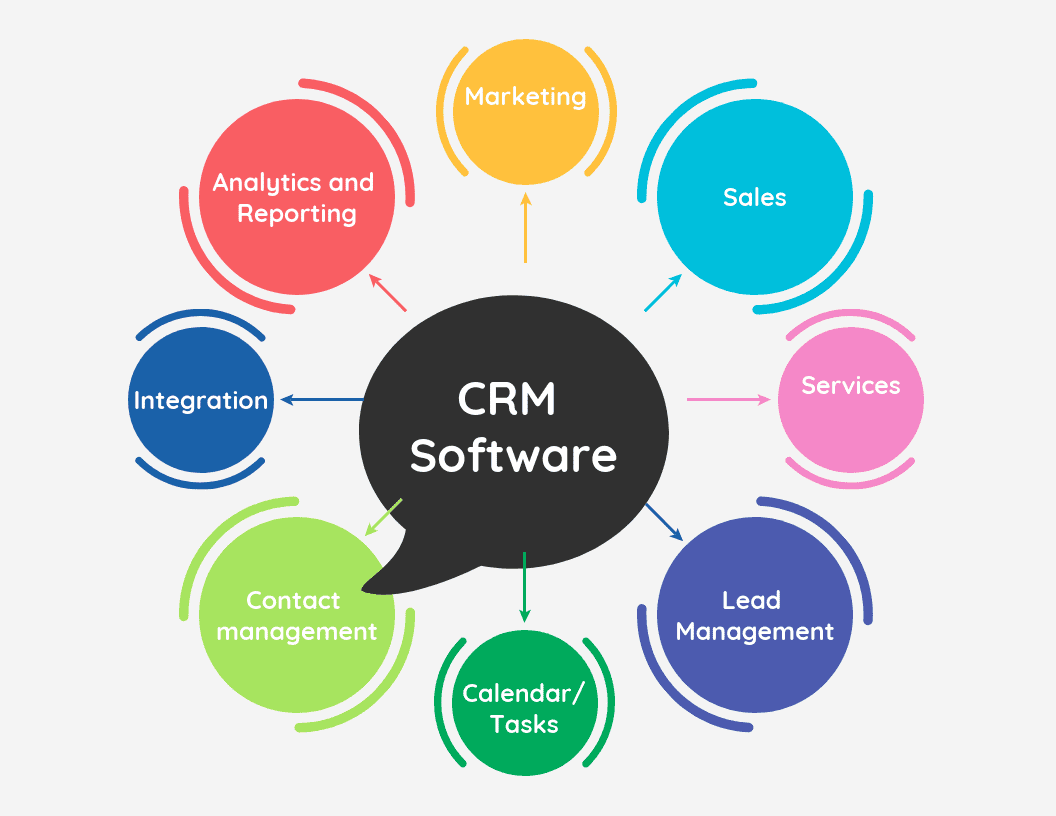
The Ultimate Guide to Choosing the Best CRM for Your Business
In today’s hyper-competitive business landscape, customer relationship management (CRM) systems have evolved from a mere luxury to an absolute necessity. These platforms are more than just digital Rolodexes; they are the central nervous system of any customer-centric organization. Choosing the right CRM can be a game-changer, enhancing customer satisfaction, boosting sales, and streamlining operations. However, with a plethora of options available, selecting the best CRM can feel like navigating a minefield. This guide aims to simplify the process by providing a comprehensive overview of the top CRM solutions and the key factors to consider when making your choice.
Why Your Business Needs a CRM
Before diving into specific CRM platforms, let’s underscore why these systems are indispensable:
- Enhanced Customer Relationships: CRM systems allow you to track every interaction with your customers, providing valuable insights into their preferences, behaviors, and needs. This enables you to personalize your approach and build stronger, more meaningful relationships.
- Improved Sales Productivity: By automating tasks such as lead management, follow-ups, and reporting, CRM systems free up your sales team to focus on what they do best: selling. This leads to increased efficiency and higher close rates.
- Streamlined Marketing Efforts: CRM systems integrate seamlessly with marketing automation tools, allowing you to create targeted campaigns, track performance, and optimize your strategies for maximum impact.
- Better Data Management: CRM systems centralize all customer data, eliminating silos and ensuring that everyone in your organization has access to the same information. This leads to better decision-making and more consistent customer experiences.
- Enhanced Collaboration: CRM systems facilitate collaboration between different teams, such as sales, marketing, and customer service. This ensures that everyone is on the same page and working towards the same goals.
Top CRM Solutions in the Market
Here’s a curated list of some of the best CRM solutions, catering to diverse business needs and budgets:
-
Salesforce Sales Cloud: Salesforce is the undisputed leader in the CRM market, offering a comprehensive suite of features for sales, marketing, and customer service. It’s highly customizable and scalable, making it suitable for businesses of all sizes.
- Pros: Extensive features, highly customizable, strong ecosystem of integrations, robust reporting and analytics.
- Cons: Can be expensive, complex to set up and manage, steep learning curve.
-
HubSpot CRM: HubSpot CRM is a popular choice for small and medium-sized businesses, thanks to its user-friendly interface and free version. It offers a solid foundation for managing contacts, deals, and tasks, and integrates seamlessly with HubSpot’s other marketing and sales tools.
- Pros: Free version available, user-friendly interface, strong marketing automation capabilities, excellent customer support.
- Cons: Limited customization options, can become expensive as you scale, some features require paid add-ons.
-
Zoho CRM: Zoho CRM is a versatile and affordable option that caters to a wide range of industries. It offers a comprehensive set of features, including sales force automation, marketing automation, and customer support, and integrates seamlessly with Zoho’s other business applications.
- Pros: Affordable pricing, comprehensive feature set, highly customizable, strong integration with other Zoho apps.
- Cons: User interface can feel dated, customer support can be inconsistent, some features require paid add-ons.
-
Microsoft Dynamics 365: Microsoft Dynamics 365 is a powerful CRM platform that integrates seamlessly with other Microsoft products, such as Office 365 and Power BI. It offers a comprehensive set of features for sales, marketing, and customer service, and is particularly well-suited for businesses that rely heavily on the Microsoft ecosystem.
- Pros: Strong integration with Microsoft products, comprehensive feature set, robust reporting and analytics, AI-powered insights.
- Cons: Can be expensive, complex to set up and manage, steep learning curve.
-
Pipedrive: Pipedrive is a sales-focused CRM that is designed to help sales teams close more deals. It offers a visual sales pipeline, automated workflows, and detailed reporting, making it easy to track progress and identify areas for improvement.
- Pros: Visual sales pipeline, easy to use, strong focus on sales, affordable pricing.
- Cons: Limited marketing automation capabilities, fewer features than some competitors, can lack customization options.
-
Freshsales Suite: Freshsales Suite is a modern and intuitive CRM that offers a comprehensive set of features for sales, marketing, and customer support. It’s particularly well-suited for small and medium-sized businesses that are looking for an easy-to-use and affordable solution.
- Pros: User-friendly interface, comprehensive feature set, affordable pricing, strong customer support.
- Cons: Limited customization options, some features require paid add-ons, can lack depth in certain areas.
-
Netsuite CRM: Netsuite CRM, now owned by Oracle, is a robust, cloud-based CRM that’s part of a larger suite of business management tools, including ERP and e-commerce. It’s designed for mid-sized to large enterprises that need a comprehensive solution to manage sales, marketing, and customer service.
- Pros: Integration with ERP and e-commerce, comprehensive functionality, strong reporting, scalable.
- Cons: High cost, complex implementation, can be overkill for smaller businesses.
Key Factors to Consider When Choosing a CRM
Choosing the right CRM is a critical decision that can impact your business for years to come. Here are some key factors to consider:
- Business Needs: What are your specific requirements? Do you need a CRM for sales, marketing, customer service, or all three?
- Budget: How much are you willing to spend on a CRM? Consider not only the initial cost but also the ongoing maintenance and support fees.
- Ease of Use: Is the CRM easy to use and navigate? A complex CRM that no one uses is a waste of money.
- Customization: Can the CRM be customized to meet your specific needs? Look for a CRM that offers a high degree of flexibility.
- Integration: Does the CRM integrate with your other business systems, such as your accounting software, email marketing platform, and e-commerce platform?
- Scalability: Can the CRM scale with your business as you grow? Choose a CRM that can accommodate your future needs.
- Customer Support: Does the CRM vendor offer reliable customer support? Look for a vendor with a proven track record of providing excellent service.
- Security: Does the CRM vendor have robust security measures in place to protect your data? Choose a vendor that takes security seriously.
- Mobile Access: Does the CRM offer mobile access? This is essential for sales teams that are on the go.
- Reporting and Analytics: Does the CRM offer robust reporting and analytics capabilities? This will allow you to track your progress and identify areas for improvement.
Implementation and Training
Once you’ve chosen a CRM, the next step is to implement it and train your team. This can be a complex and time-consuming process, but it’s essential for ensuring that your CRM is used effectively. Consider working with a CRM consultant to help you with the implementation process. Be sure to provide your team with adequate training on how to use the CRM. This will help them to get the most out of the system and to avoid common mistakes.
Conclusion
Choosing the best CRM for your business is a critical decision that can have a significant impact on your bottom line. By carefully considering your business needs, budget, and other key factors, you can find a CRM that will help you to improve customer relationships, boost sales, and streamline operations. Remember to involve your team in the selection process and to provide them with adequate training on how to use the CRM. With the right CRM in place, you can take your business to the next level.