The Power of Customer-Centricity: Understanding and Implementing CRM Systems
In today’s hyper-competitive business landscape, customer relationships are the lifeblood of any successful organization. Retaining existing customers and attracting new ones requires a deep understanding of their needs, preferences, and behaviors. This is where Customer Relationship Management (CRM) systems come into play. A CRM system is more than just a software; it’s a strategic approach to managing and nurturing customer interactions throughout the entire customer lifecycle.
What is a CRM System?
At its core, a CRM system is a technology solution that enables businesses to organize, automate, and synchronize sales, marketing, customer service, and technical support. It acts as a central repository for all customer-related data, providing a 360-degree view of each customer. This holistic view empowers businesses to deliver personalized experiences, improve customer satisfaction, and drive revenue growth.
Key Features and Functionalities of a CRM System
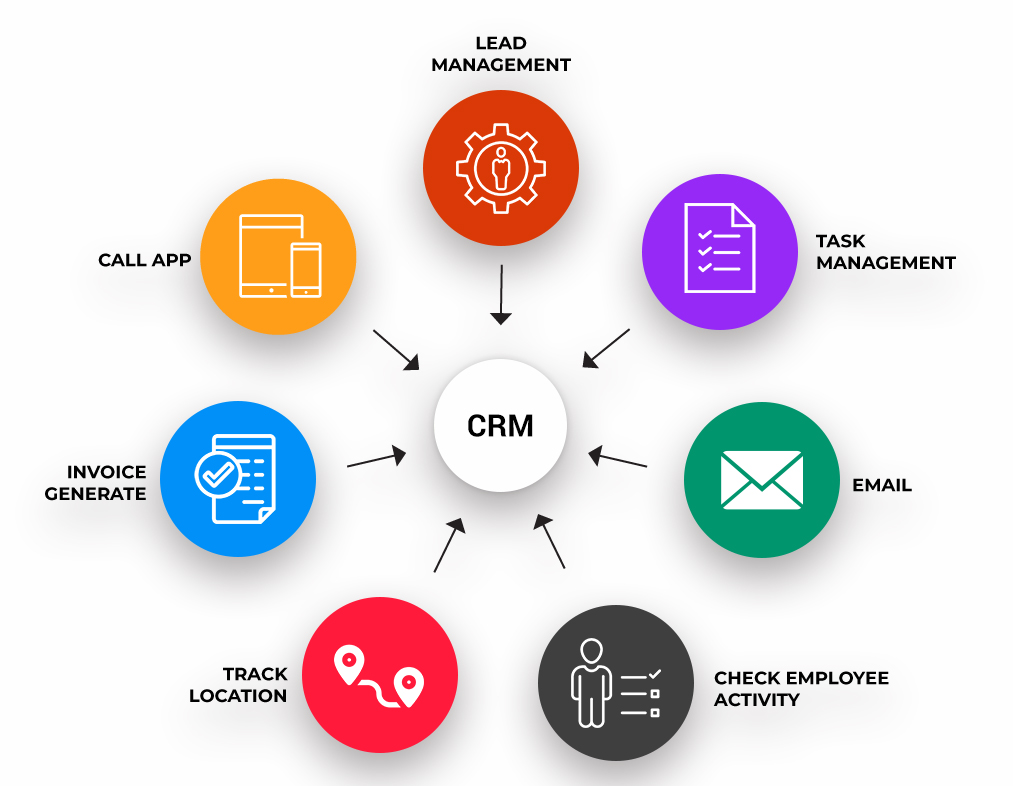
Modern CRM systems offer a wide range of features and functionalities designed to streamline customer-related processes and enhance decision-making. Some of the most common features include:
-
Contact Management: This is the foundational feature of any CRM system. It allows businesses to store and manage detailed information about their customers, including contact details, demographics, communication history, and social media profiles.
-
Sales Force Automation (SFA): SFA tools automate various sales processes, such as lead management, opportunity tracking, sales forecasting, and quote generation. This helps sales teams focus on closing deals and building relationships.
-
Marketing Automation: Marketing automation features enable businesses to create and execute targeted marketing campaigns, track campaign performance, and nurture leads through personalized email sequences and other channels.
-
Customer Service and Support: CRM systems provide tools for managing customer inquiries, resolving issues, and tracking customer satisfaction. This includes features like case management, knowledge base, and self-service portals.
-
Analytics and Reporting: CRM systems generate valuable insights into customer behavior, sales performance, and marketing effectiveness. Customizable dashboards and reports help businesses identify trends, track key metrics, and make data-driven decisions.
-
Integration Capabilities: Modern CRM systems can be integrated with other business applications, such as email marketing platforms, accounting software, and e-commerce platforms. This ensures seamless data flow and eliminates data silos.
Benefits of Implementing a CRM System
The benefits of implementing a CRM system are numerous and far-reaching. Here are some of the most significant advantages:
-
Improved Customer Satisfaction: By providing a 360-degree view of each customer, CRM systems enable businesses to deliver personalized experiences and resolve issues more efficiently. This leads to increased customer satisfaction and loyalty.
-
Increased Sales Revenue: CRM systems help sales teams close more deals by providing them with the tools and information they need to identify and pursue the most promising leads. Sales automation features also streamline the sales process, freeing up sales reps to focus on building relationships.
-
Enhanced Marketing Effectiveness: Marketing automation features enable businesses to create and execute targeted marketing campaigns that are more likely to resonate with their target audience. CRM systems also provide valuable insights into campaign performance, allowing businesses to optimize their marketing efforts.
-
Streamlined Customer Service: CRM systems provide customer service agents with the tools they need to resolve customer issues quickly and efficiently. This leads to improved customer satisfaction and reduced support costs.
-
Better Data-Driven Decision-Making: CRM systems generate valuable insights into customer behavior, sales performance, and marketing effectiveness. This data can be used to make better decisions about product development, pricing, marketing, and sales strategies.
-
Improved Collaboration: CRM systems facilitate collaboration between different departments by providing a central repository for all customer-related data. This ensures that everyone is on the same page and working towards the same goals.
-
Increased Efficiency: By automating various customer-related processes, CRM systems can help businesses improve their efficiency and reduce costs. This frees up employees to focus on more strategic tasks.
Types of CRM Systems
CRM systems can be broadly classified into three main types:
-
Operational CRM: Operational CRM systems focus on automating sales, marketing, and customer service processes. They are designed to streamline day-to-day operations and improve efficiency.
-
Analytical CRM: Analytical CRM systems focus on analyzing customer data to identify trends and insights. They are designed to help businesses make better decisions about product development, pricing, marketing, and sales strategies.
-
Collaborative CRM: Collaborative CRM systems focus on facilitating communication and collaboration between different departments and teams. They are designed to ensure that everyone is on the same page and working towards the same goals.
Choosing the Right CRM System
Selecting the right CRM system is a critical decision that can have a significant impact on a business’s success. Here are some factors to consider when choosing a CRM system:
- Business Needs: Identify the specific needs and requirements of your business. What problems are you trying to solve? What goals are you trying to achieve?
- Features and Functionality: Evaluate the features and functionality of different CRM systems. Do they offer the features you need to meet your business requirements?
- Ease of Use: Choose a CRM system that is easy to use and intuitive. Your employees should be able to learn how to use the system quickly and easily.
- Integration Capabilities: Ensure that the CRM system can be integrated with your other business applications. This will ensure seamless data flow and eliminate data silos.
- Scalability: Choose a CRM system that can scale with your business as it grows. You don’t want to outgrow your CRM system in a few years.
- Cost: Consider the total cost of ownership of the CRM system, including the cost of the software, implementation, training, and support.
- Vendor Reputation: Choose a CRM vendor with a good reputation and a proven track record.
Implementation and Best Practices
Implementing a CRM system is a complex process that requires careful planning and execution. Here are some best practices to follow:
- Define Clear Goals: Before you start implementing a CRM system, define clear goals and objectives. What are you trying to achieve with the CRM system?
- Get Buy-In from Stakeholders: Ensure that you have buy-in from all stakeholders, including executives, managers, and employees.
- Develop a Detailed Implementation Plan: Develop a detailed implementation plan that outlines the steps involved in implementing the CRM system.
- Provide Training: Provide adequate training to your employees on how to use the CRM system.
- Monitor and Evaluate Performance: Monitor and evaluate the performance of the CRM system on an ongoing basis. Make adjustments as needed.
The Future of CRM
The future of CRM is bright, with new technologies and trends emerging all the time. Some of the key trends shaping the future of CRM include:
- Artificial Intelligence (AI): AI is being used to automate various CRM tasks, such as lead scoring, customer segmentation, and predictive analytics.
- Cloud-Based CRM: Cloud-based CRM systems are becoming increasingly popular due to their flexibility, scalability, and affordability.
- Mobile CRM: Mobile CRM systems allow sales and service teams to access customer data and perform tasks from anywhere.
- Social CRM: Social CRM integrates social media data into the CRM system, providing businesses with a more complete view of their customers.
Conclusion
CRM systems are essential tools for businesses of all sizes that want to build strong customer relationships, improve customer satisfaction, and drive revenue growth. By implementing a CRM system and following best practices, businesses can unlock the power of customer-centricity and achieve their business goals.