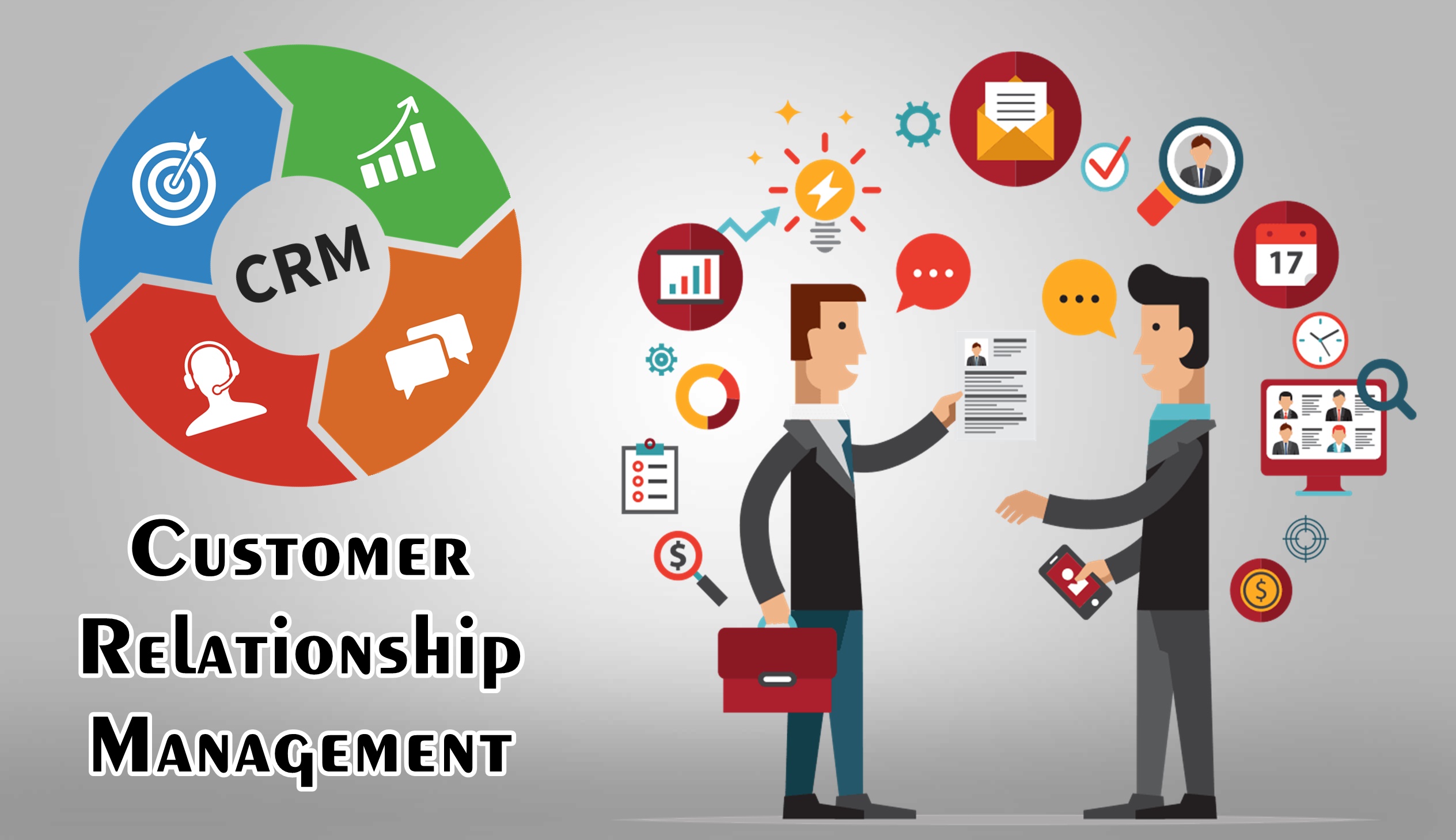
CRM Solutions: Streamlining Business Operations and Enhancing Customer Relationships
In today’s highly competitive business landscape, companies are constantly seeking ways to improve their operations, enhance customer relationships, and drive revenue growth. One of the most effective tools for achieving these goals is a Customer Relationship Management (CRM) solution. CRM systems have evolved significantly over the years, from basic contact management tools to comprehensive platforms that integrate various business functions. In this article, we will delve into the world of CRM solutions, exploring their key features, benefits, and how they can transform businesses across industries.
What is a CRM Solution?
At its core, a CRM solution is a technology that helps businesses manage and analyze customer interactions and data throughout the customer lifecycle. The primary goal of CRM is to improve customer relationships, assist in customer retention, and drive sales growth. CRM systems consolidate customer information from various channels, such as websites, social media, phone calls, and email, into a centralized database. This unified view of customer data enables businesses to gain valuable insights into customer behavior, preferences, and needs.
Key Features of CRM Solutions
Modern CRM solutions offer a wide array of features that cater to different business needs. Some of the most common and essential features include:
-
Contact Management:
- Storing and organizing customer contact information, including names, addresses, phone numbers, email addresses, and social media profiles.
- Tracking customer interactions, such as emails, phone calls, meetings, and notes.
- Segmenting contacts based on various criteria, such as demographics, industry, and purchase history.
-
Sales Force Automation:
- Managing sales leads and opportunities.
- Automating sales processes, such as lead qualification, lead distribution, and follow-up reminders.
- Tracking sales performance and generating sales reports.
- Forecasting sales revenue.
-
Marketing Automation:
- Creating and managing marketing campaigns.
- Automating marketing tasks, such as email marketing, social media posting, and lead nurturing.
- Tracking marketing campaign performance and ROI.
- Segmenting customers for targeted marketing efforts.
-
Customer Service and Support:
- Managing customer inquiries and support requests.
- Tracking customer issues and resolutions.
- Providing self-service portals for customers to find answers to common questions.
- Automating customer service processes, such as ticket routing and escalation.
-
Analytics and Reporting:
- Generating reports on sales, marketing, and customer service performance.
- Analyzing customer data to identify trends and insights.
- Creating dashboards to visualize key performance indicators (KPIs).
- Forecasting future performance based on historical data.
-
Integration with Other Systems:
- Integrating with other business systems, such as accounting software, ERP systems, and e-commerce platforms.
- Sharing data between systems to improve efficiency and accuracy.
- Creating a unified view of customer data across the organization.
Benefits of Implementing a CRM Solution
Implementing a CRM solution can bring numerous benefits to businesses of all sizes. Some of the most significant advantages include:
-
Improved Customer Relationships:
- By providing a 360-degree view of customer interactions, CRM enables businesses to understand their customers better and provide personalized experiences.
- CRM helps businesses respond to customer inquiries and support requests more quickly and efficiently, leading to increased customer satisfaction.
- By tracking customer feedback and preferences, CRM allows businesses to tailor their products and services to meet customer needs.
-
Increased Sales and Revenue:
- CRM helps businesses identify and prioritize sales leads, leading to more efficient sales processes.
- By automating sales tasks, CRM frees up sales reps to focus on closing deals.
- CRM provides insights into customer behavior and preferences, enabling businesses to create targeted marketing campaigns that drive sales.
-
Enhanced Productivity:
- CRM automates many manual tasks, such as data entry and lead management, freeing up employees to focus on more strategic activities.
- By centralizing customer data, CRM eliminates the need for employees to search for information in multiple systems.
- CRM provides a single source of truth for customer information, ensuring that everyone in the organization has access to the same data.
-
Better Decision-Making:
- CRM provides real-time data and insights into sales, marketing, and customer service performance, enabling businesses to make informed decisions.
- By analyzing customer data, CRM helps businesses identify trends and patterns that can inform business strategy.
- CRM provides forecasting capabilities, allowing businesses to predict future performance and plan accordingly.
-
Improved Collaboration:
- CRM enables employees from different departments to collaborate more effectively by sharing customer data and insights.
- CRM provides a centralized platform for communication and collaboration, reducing the need for email and other communication channels.
- CRM helps ensure that everyone in the organization is working towards the same goals.
Types of CRM Solutions
CRM solutions come in various forms, each with its own strengths and weaknesses. The most common types of CRM solutions include:
-
Cloud-Based CRM:
- Hosted on the vendor’s servers and accessed via the internet.
- Offers scalability, flexibility, and ease of use.
- Typically requires a subscription fee.
-
On-Premise CRM:
- Installed on the company’s own servers.
- Provides greater control over data and security.
- Requires a significant upfront investment in hardware and software.
-
Hybrid CRM:
- Combines elements of both cloud-based and on-premise CRM.
- Offers a balance of flexibility and control.
Choosing the Right CRM Solution
Selecting the right CRM solution for your business is a critical decision that can have a significant impact on your success. When choosing a CRM solution, consider the following factors:
-
Business Needs:
- Identify your specific business needs and requirements.
- Consider the size and complexity of your business.
- Determine which features are most important to you.
-
Budget:
- Determine your budget for a CRM solution.
- Consider the total cost of ownership, including software, hardware, implementation, and training costs.
-
Ease of Use:
- Choose a CRM solution that is easy to use and intuitive.
- Ensure that your employees will be able to adopt the new system quickly.
-
Integration:
- Choose a CRM solution that integrates with your existing business systems.
- Ensure that data can be easily shared between systems.
-
Scalability:
- Choose a CRM solution that can scale to meet your growing business needs.
- Ensure that the system can handle increasing volumes of data and users.
Conclusion
CRM solutions have become essential tools for businesses looking to improve customer relationships, drive sales growth, and enhance productivity. By providing a centralized platform for managing customer data and automating business processes, CRM systems enable businesses to gain valuable insights into customer behavior, personalize customer experiences, and make better decisions. When choosing a CRM solution, it is important to consider your specific business needs, budget, and technical requirements. With the right CRM solution in place, businesses can unlock their full potential and achieve sustainable success in today’s competitive marketplace.