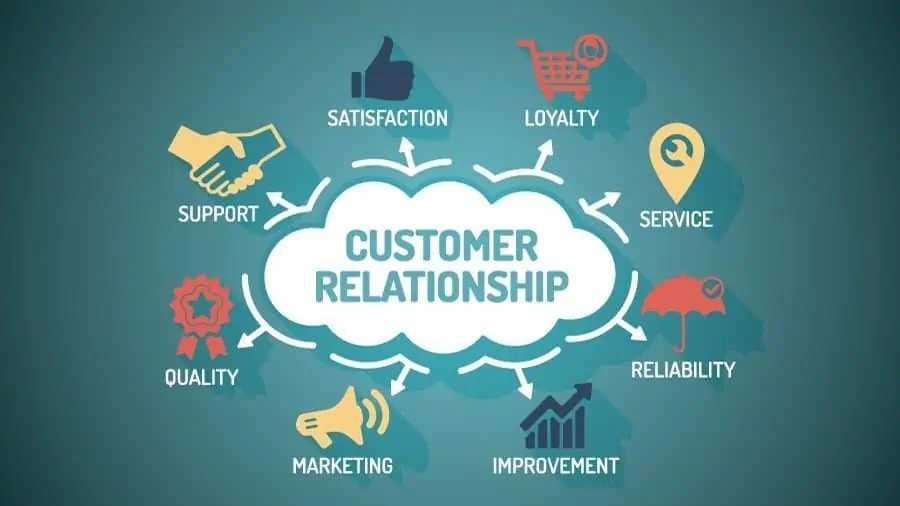
Customer Relationship Management (CRM): Building Lasting Relationships for Business Success
In today’s competitive business landscape, where customers have a plethora of choices at their fingertips, building and maintaining strong customer relationships is no longer a luxury but a necessity. This is where Customer Relationship Management (CRM) comes into play. CRM is more than just a software solution; it’s a comprehensive business strategy focused on understanding, anticipating, and managing customer needs to foster long-term loyalty and drive profitability.
What is Customer Relationship Management (CRM)?
At its core, CRM is a holistic approach to managing a company’s interactions with current and potential customers. It involves using data analysis about customers’ history with a company to improve business relationships, specifically focusing on customer retention and ultimately driving sales growth.
CRM encompasses a wide range of processes, technologies, and strategies designed to:
- Understand Customers: Gather and analyze customer data to gain insights into their preferences, behaviors, and needs.
- Personalize Interactions: Tailor communication and offers to individual customer profiles.
- Improve Customer Service: Provide timely and effective support to resolve issues and enhance satisfaction.
- Streamline Sales Processes: Optimize sales activities to close deals faster and increase revenue.
- Enhance Marketing Campaigns: Target marketing efforts to the right customers with the right message.
- Foster Customer Loyalty: Build long-term relationships that lead to repeat business and advocacy.
The Key Components of CRM
CRM systems typically include several key components that work together to provide a comprehensive view of the customer:
-
Contact Management:
- Stores customer contact information, including names, addresses, phone numbers, email addresses, and social media profiles.
- Centralizes communication history, allowing users to track all interactions with a customer.
- Enables segmentation of contacts based on various criteria, such as demographics, purchase history, or engagement level.
-
Sales Force Automation (SFA):
- Automates sales processes, such as lead management, opportunity tracking, and quote generation.
- Provides sales teams with tools to manage their pipelines, prioritize leads, and track their progress.
- Helps sales managers monitor team performance and identify areas for improvement.
-
Marketing Automation:
- Automates marketing tasks, such as email campaigns, social media posting, and lead nurturing.
- Enables marketers to create targeted campaigns based on customer behavior and preferences.
- Tracks campaign performance and provides insights into what’s working and what’s not.
-
Customer Service and Support:
- Provides tools for managing customer inquiries, resolving issues, and tracking customer satisfaction.
- Enables agents to access customer information quickly and efficiently.
- Automates support processes, such as ticket routing and escalation.
-
Analytics and Reporting:
- Provides insights into customer behavior, sales performance, and marketing effectiveness.
- Generates reports and dashboards that track key metrics, such as customer lifetime value, conversion rates, and customer satisfaction scores.
- Helps businesses make data-driven decisions to improve their CRM strategies.
Benefits of Implementing CRM
Implementing a CRM system can bring numerous benefits to businesses of all sizes:
- Improved Customer Satisfaction: By understanding customer needs and preferences, businesses can provide more personalized and effective service, leading to higher customer satisfaction.
- Increased Sales Revenue: CRM helps sales teams close deals faster, manage their pipelines more effectively, and identify new opportunities for growth.
- Enhanced Marketing Effectiveness: CRM enables marketers to target their campaigns more precisely, personalize their messaging, and track their results more accurately, leading to higher ROI.
- Streamlined Operations: CRM automates many business processes, such as lead management, sales forecasting, and customer service, freeing up employees to focus on more strategic tasks.
- Better Decision-Making: CRM provides businesses with access to real-time data and insights that can help them make better decisions about their products, services, and marketing strategies.
- Increased Customer Retention: By building stronger relationships with customers, businesses can increase customer loyalty and reduce churn.
- Improved Collaboration: CRM facilitates collaboration between different departments, such as sales, marketing, and customer service, ensuring that everyone is on the same page.
Types of CRM Systems
CRM systems can be broadly categorized into three types:
- Operational CRM: Focuses on automating and streamlining customer-facing processes, such as sales, marketing, and customer service.
- Analytical CRM: Focuses on analyzing customer data to gain insights into customer behavior, preferences, and needs.
- Collaborative CRM: Focuses on improving communication and collaboration between different departments and stakeholders.
Choosing the Right CRM System
Selecting the right CRM system is crucial for maximizing its benefits. Here are some factors to consider:
- Business Needs: Identify the specific needs and goals of your business. What problems are you trying to solve? What improvements are you hoping to achieve?
- Budget: Determine your budget for a CRM system. Consider the cost of software, implementation, training, and ongoing maintenance.
- Scalability: Choose a CRM system that can scale with your business as it grows.
- Integration: Ensure that the CRM system can integrate with your existing business systems, such as your accounting software, email marketing platform, and e-commerce platform.
- Ease of Use: Select a CRM system that is easy to use and intuitive for your employees.
- Vendor Reputation: Research the reputation of the CRM vendor. Read reviews and testimonials from other customers.
- Customization: See if the CRM can be customized to suit the needs of your business.
CRM Implementation Best Practices
Implementing a CRM system can be a complex process. Here are some best practices to follow:
- Define Clear Goals: Before implementing a CRM system, define clear goals and objectives. What are you hoping to achieve? How will you measure success?
- Get Buy-In from Stakeholders: Involve all relevant stakeholders in the CRM implementation process, including sales, marketing, customer service, and IT.
- Develop a Detailed Implementation Plan: Create a detailed implementation plan that outlines the steps involved, timelines, and responsibilities.
- Train Employees: Provide employees with adequate training on how to use the CRM system.
- Monitor and Evaluate Performance: Regularly monitor and evaluate the performance of the CRM system to ensure that it is meeting your goals.
- Continuously Improve: Continuously improve your CRM strategy based on feedback and data analysis.
The Future of CRM
The future of CRM is likely to be shaped by several trends, including:
- Artificial Intelligence (AI): AI is being integrated into CRM systems to automate tasks, personalize customer interactions, and provide more insights into customer behavior.
- Mobile CRM: Mobile CRM is becoming increasingly important as more and more employees work remotely.
- Social CRM: Social CRM is the integration of social media data into CRM systems to gain a deeper understanding of customers.
- Cloud-Based CRM: Cloud-based CRM is becoming more popular due to its flexibility, scalability, and cost-effectiveness.
Conclusion
Customer Relationship Management (CRM) is an essential strategy for businesses that want to build lasting relationships with their customers, drive sales growth, and improve customer satisfaction. By understanding customer needs, personalizing interactions, and streamlining business processes, businesses can use CRM to create a competitive advantage and achieve long-term success. As technology continues to evolve, CRM systems will become even more sophisticated and powerful, enabling businesses to build even stronger relationships with their customers.