Enterprise CRM: A Comprehensive Guide to Revolutionizing Customer Relationships
In today’s fiercely competitive business landscape, customer relationship management (CRM) has evolved from a mere software tool to a strategic imperative. For enterprises dealing with complex operations, large customer bases, and intricate data structures, a robust Enterprise CRM system is not just beneficial; it’s essential for survival and growth. This comprehensive guide delves into the intricacies of Enterprise CRM, exploring its definition, key features, benefits, implementation strategies, challenges, and future trends.
What is Enterprise CRM?
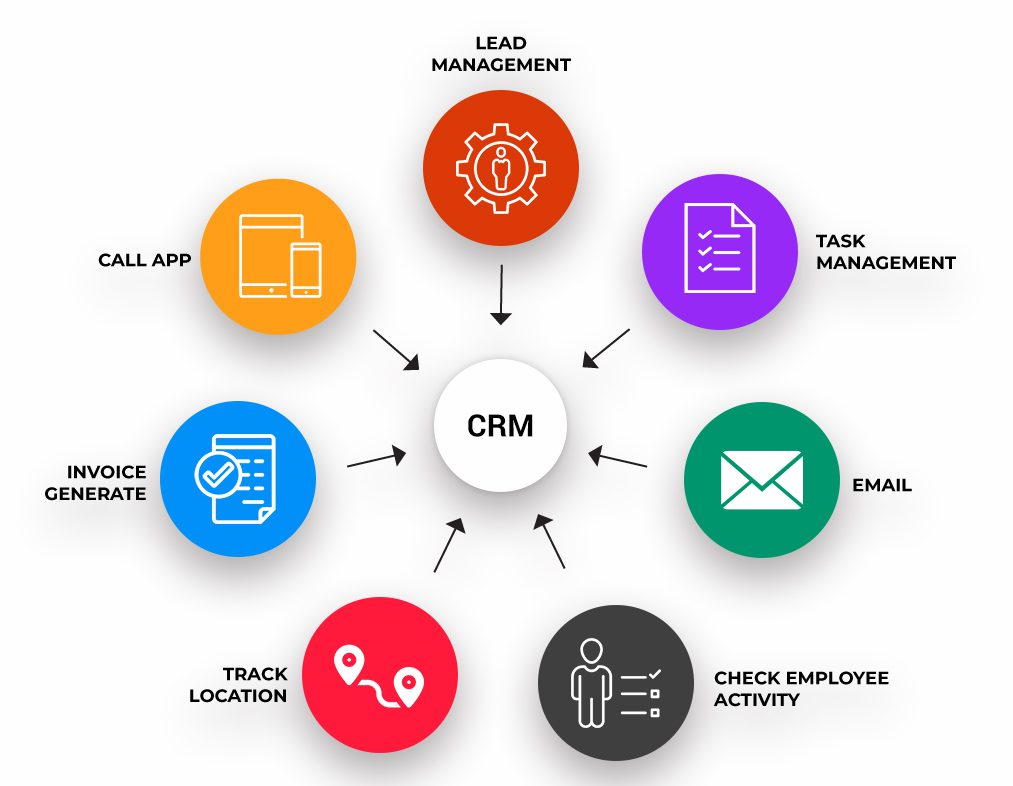
Enterprise CRM refers to a comprehensive CRM system designed to cater to the complex needs of large organizations. Unlike small business CRM solutions that focus on basic sales and marketing automation, Enterprise CRM offers a broader and more sophisticated range of capabilities. It is a centralized platform that integrates various business functions, including sales, marketing, customer service, and support, to provide a holistic view of the customer.
Enterprise CRM systems are characterized by their scalability, customization options, and ability to handle vast amounts of data. They are designed to support hundreds or even thousands of users across multiple departments and locations, ensuring that everyone has access to the same information and can collaborate effectively.
Key Features of Enterprise CRM:
-
Comprehensive Customer Data Management: Enterprise CRM systems provide a centralized repository for all customer data, including contact information, purchase history, interactions, preferences, and demographics. This unified view of the customer enables businesses to personalize interactions and tailor their offerings to individual needs.
-
Sales Force Automation (SFA): SFA tools automate and streamline the sales process, from lead generation and opportunity management to sales forecasting and reporting. This helps sales teams to focus on high-value activities, close more deals, and improve overall sales performance.
-
Marketing Automation: Marketing automation features enable businesses to create and execute targeted marketing campaigns across multiple channels, such as email, social media, and web. This helps to nurture leads, engage customers, and drive conversions.
-
Customer Service and Support: Enterprise CRM systems include tools for managing customer inquiries, resolving issues, and providing support across various channels, such as phone, email, chat, and self-service portals. This helps to improve customer satisfaction, reduce support costs, and build customer loyalty.
-
Analytics and Reporting: Robust analytics and reporting capabilities provide insights into customer behavior, sales performance, marketing effectiveness, and other key metrics. This enables businesses to make data-driven decisions, optimize their strategies, and improve overall performance.
-
Integration Capabilities: Enterprise CRM systems can be integrated with other business systems, such as ERP, accounting software, and e-commerce platforms. This ensures seamless data flow across the organization and eliminates data silos.
-
Customization and Scalability: Enterprise CRM systems are highly customizable to meet the specific needs of each business. They can be scaled up or down as needed to accommodate changing business requirements.
-
Mobile Access: Mobile CRM apps allow users to access customer data and perform tasks from anywhere, at any time. This improves productivity and enables sales and service teams to respond quickly to customer needs.
Benefits of Implementing Enterprise CRM:
-
Improved Customer Relationships: By providing a 360-degree view of the customer, Enterprise CRM enables businesses to personalize interactions, anticipate needs, and build stronger relationships.
-
Increased Sales Productivity: Sales force automation tools streamline the sales process, improve lead management, and enable sales teams to close more deals.
-
Enhanced Marketing Effectiveness: Marketing automation features enable businesses to create and execute targeted marketing campaigns that drive engagement and conversions.
-
Better Customer Service: Customer service tools enable businesses to resolve issues quickly, provide personalized support, and improve customer satisfaction.
-
Data-Driven Decision Making: Analytics and reporting capabilities provide insights into customer behavior, sales performance, and marketing effectiveness, enabling businesses to make data-driven decisions.
-
Improved Collaboration: Enterprise CRM systems facilitate collaboration across departments and locations, ensuring that everyone has access to the same information and can work together effectively.
-
Increased Efficiency: By automating tasks and streamlining processes, Enterprise CRM helps businesses to improve efficiency and reduce costs.
-
Greater Scalability: Enterprise CRM systems can be scaled up or down as needed to accommodate changing business requirements.
Implementation Strategies for Enterprise CRM:
-
Define Clear Goals and Objectives: Before implementing an Enterprise CRM system, it’s important to define clear goals and objectives. What do you want to achieve with CRM? What problems are you trying to solve?
-
Choose the Right CRM Solution: There are many Enterprise CRM solutions available on the market. It’s important to choose a solution that meets your specific needs and budget.
-
Develop a Detailed Implementation Plan: A detailed implementation plan should outline the steps involved in implementing the CRM system, including data migration, system configuration, user training, and testing.
-
Involve Key Stakeholders: Involve key stakeholders from all departments in the implementation process. This will help to ensure that the CRM system meets their needs and that they are committed to using it.
-
Provide Comprehensive Training: Provide comprehensive training to all users on how to use the CRM system. This will help to ensure that they are able to use the system effectively and that they adopt it quickly.
-
Monitor and Evaluate Performance: Monitor and evaluate the performance of the CRM system on an ongoing basis. This will help to identify areas for improvement and to ensure that the system is meeting your goals and objectives.
Challenges of Implementing Enterprise CRM:
-
High Costs: Enterprise CRM systems can be expensive to implement and maintain.
-
Complex Implementation: Implementing an Enterprise CRM system can be a complex and time-consuming process.
-
Data Migration Challenges: Migrating data from legacy systems to the new CRM system can be challenging.
-
User Adoption Issues: Getting users to adopt the new CRM system can be difficult, especially if they are used to working in a different way.
-
Integration Challenges: Integrating the CRM system with other business systems can be challenging.
Future Trends in Enterprise CRM:
-
Artificial Intelligence (AI): AI is being used to automate tasks, personalize interactions, and provide insights into customer behavior.
-
Cloud-Based CRM: Cloud-based CRM solutions are becoming increasingly popular due to their scalability, flexibility, and cost-effectiveness.
-
Mobile CRM: Mobile CRM apps are becoming increasingly important as more and more people use mobile devices to access information and perform tasks.
-
Social CRM: Social CRM integrates social media data into the CRM system, providing businesses with a more complete view of the customer.
-
Internet of Things (IoT): IoT data is being used to provide businesses with real-time insights into customer behavior and to personalize interactions.
Conclusion:
Enterprise CRM is a powerful tool that can help businesses to improve customer relationships, increase sales productivity, enhance marketing effectiveness, and make data-driven decisions. However, implementing an Enterprise CRM system can be challenging. By following the implementation strategies outlined in this guide and by being aware of the potential challenges, businesses can increase their chances of success. As technology continues to evolve, Enterprise CRM will become even more sophisticated and will play an increasingly important role in helping businesses to thrive in the digital age.